CASE STUDY / ATTENTION ECONOMY
What NYC's most disruptive jeweler can teach luxury brands about attention
An analysis of TraxNYC’s raw engagement mechanics and how legacy fine jewelry houses can adapt their storytelling to capture the modern consumer.
BY ANA ROSA THILLET
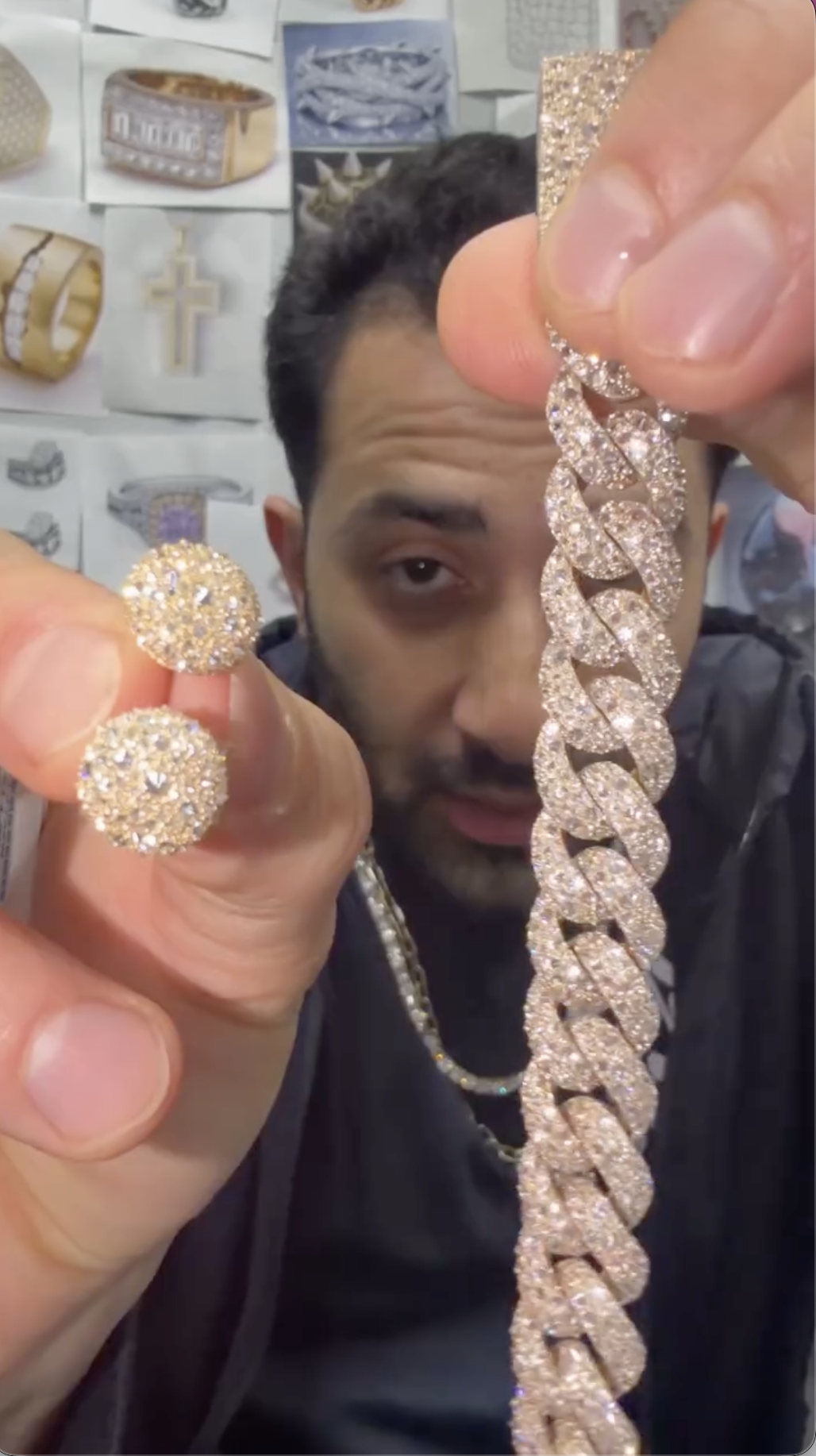
TraxNYC is a New York jeweler whose marketing presence is built almost entirely around raw, real-life content.
Founder Maksud Agadjani transformed the everyday operations of a traditional jewelry store into one of the most recognizable luxury content brands on social media.
His content now reaches more than 4 million YouTube subscribers, 4 million Instagram followers, 3 million Facebook followers, and 3 million TikTok followers, with over 80 million likes on TikTok alone.
In a recent interview, when asked how much social media had contributed to his business, Agadjani replied: "90%. It’s turned me into a brand.”
How did a traditional jeweler build an audience of that scale?
TraxNYC relies on a handful of repeatable content formats that consistently generate millions of views.
"Guess the Value" Street Challenges
He stops people on the streets of Manhattan and asks them to guess the value of his jewelry.Extreme Demonstrations
He creates diamond-encrusted objects and subjects them to dramatic tests to prove their durability.Industry Exposure ("Watch & Learn")
He pulls back the curtain on the jewelry business, explaining pricing, craftsmanship, authentication, and how to recognize real value.Exclusive Design Stories
He takes viewers behind the scenes as he designs and creates highly customized pieces for artists and high-profile clients.
The secret behind his rotating content formats is simple: every single one is engineered to stop the scroll, because he never just showcases the product.
The product becomes the story. Every. Single. Time.
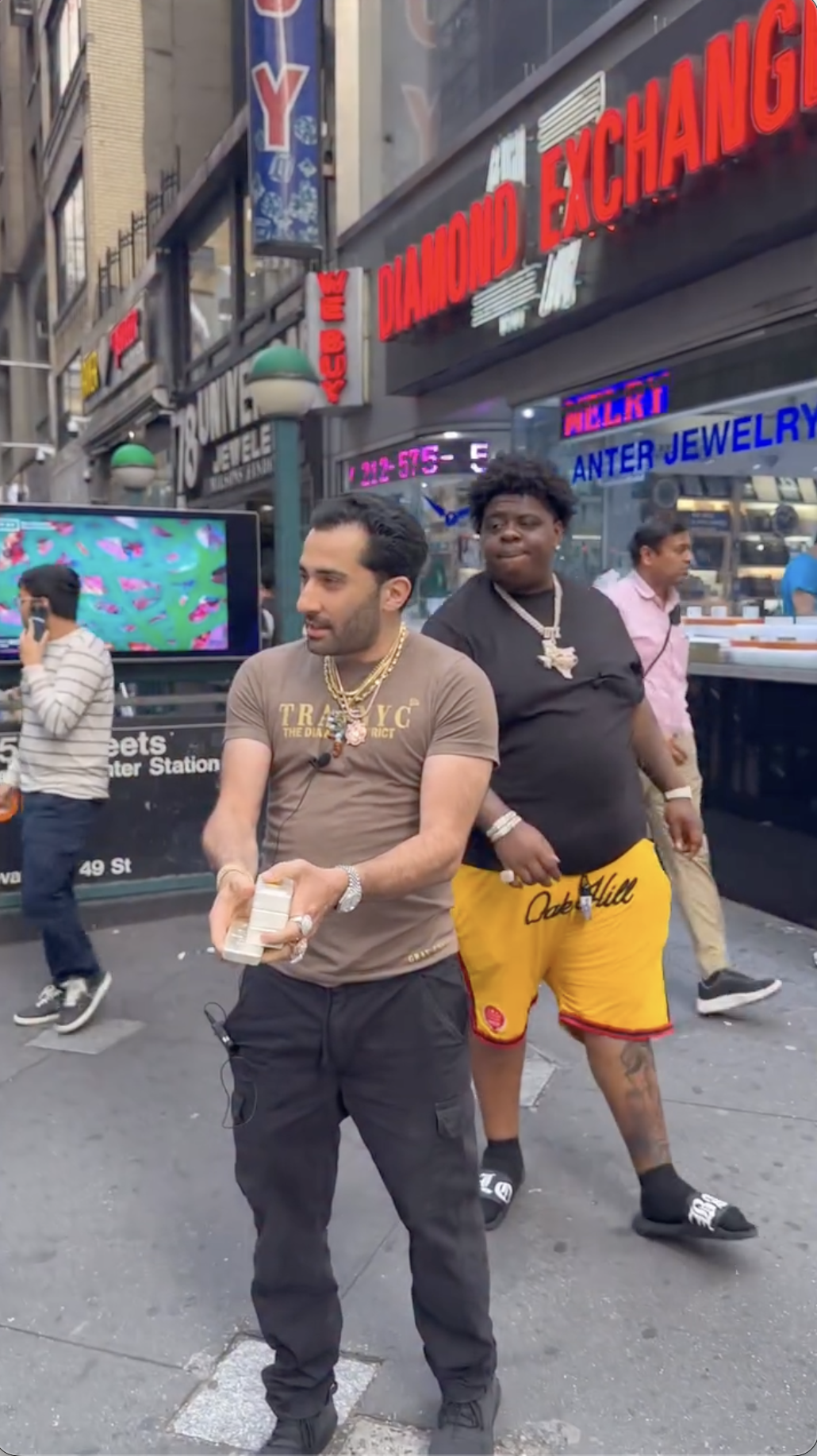


The reason I started analyzing TraxNYC is simple. Just like millions of others, I couldn't stop watching his videos. The question wasn't whether his content was working. The question was why.
So how does he do it?
The jewelry captures attention. The storytelling keeps it.
Watching video after video, I began seeing familiar patterns. They were the same storytelling principles I had seen play out for years while building audiences at Telemundo 51 Miami and NBC 6.
The same principles that took Telemundo 51 from zero to 6M+ followers on TikTok, 2M+ on Instagram, and 1M+ subscribers on YouTube, making all three the most-followed accounts in NBCUniversal Local history.
Here are the four principles behind every TraxNYC video.
1. The first three seconds are everything.
The opening image is never accidental. It's designed to create an immediate visual contradiction that the brain can't ignore.
2. There is always a conflict.
Every video has a question, a challenge, or something to prove. The hook doesn't just grab attention, it creates tension that can only be resolved by watching until the end.
3. The narrative arc is engineered.
Despite the raw, street-style aesthetic, every video follows the same invisible structure: hook, problem, shift, resolution, and a call to action. It feels spontaneous. It isn't.
4. The audience always walks away with something.
Every video is built around a transfer of information; a reveal, a lesson, a truth about the industry that most people don't know. The viewer doesn't just watch. They learn something they feel compelled to comment and share.
None of this is accidental. It's editorial thinking dressed in a hoodie.
15M Views (Instagram)
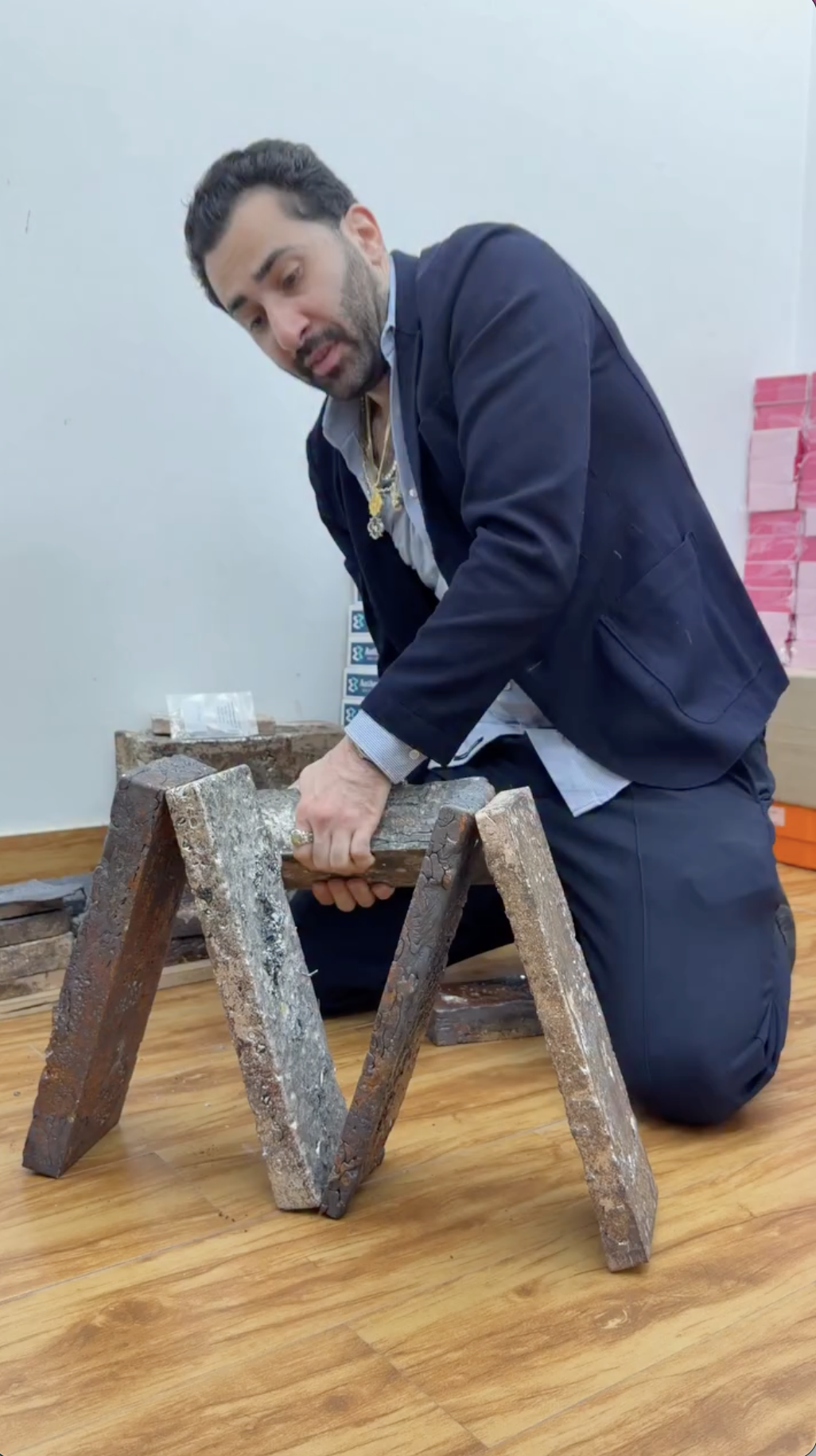
15M Views (Instagram)
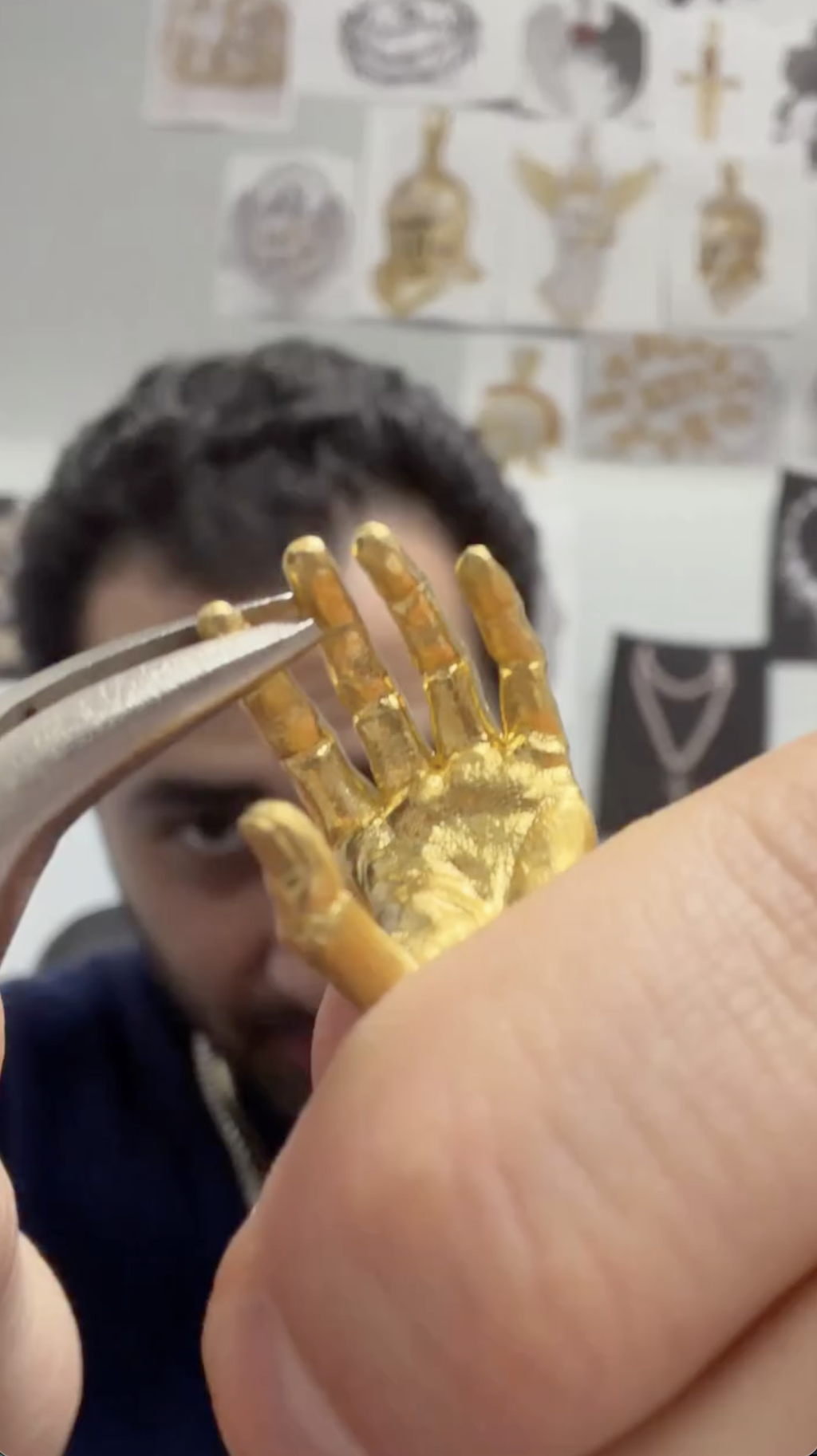
23M Views (Instagram)
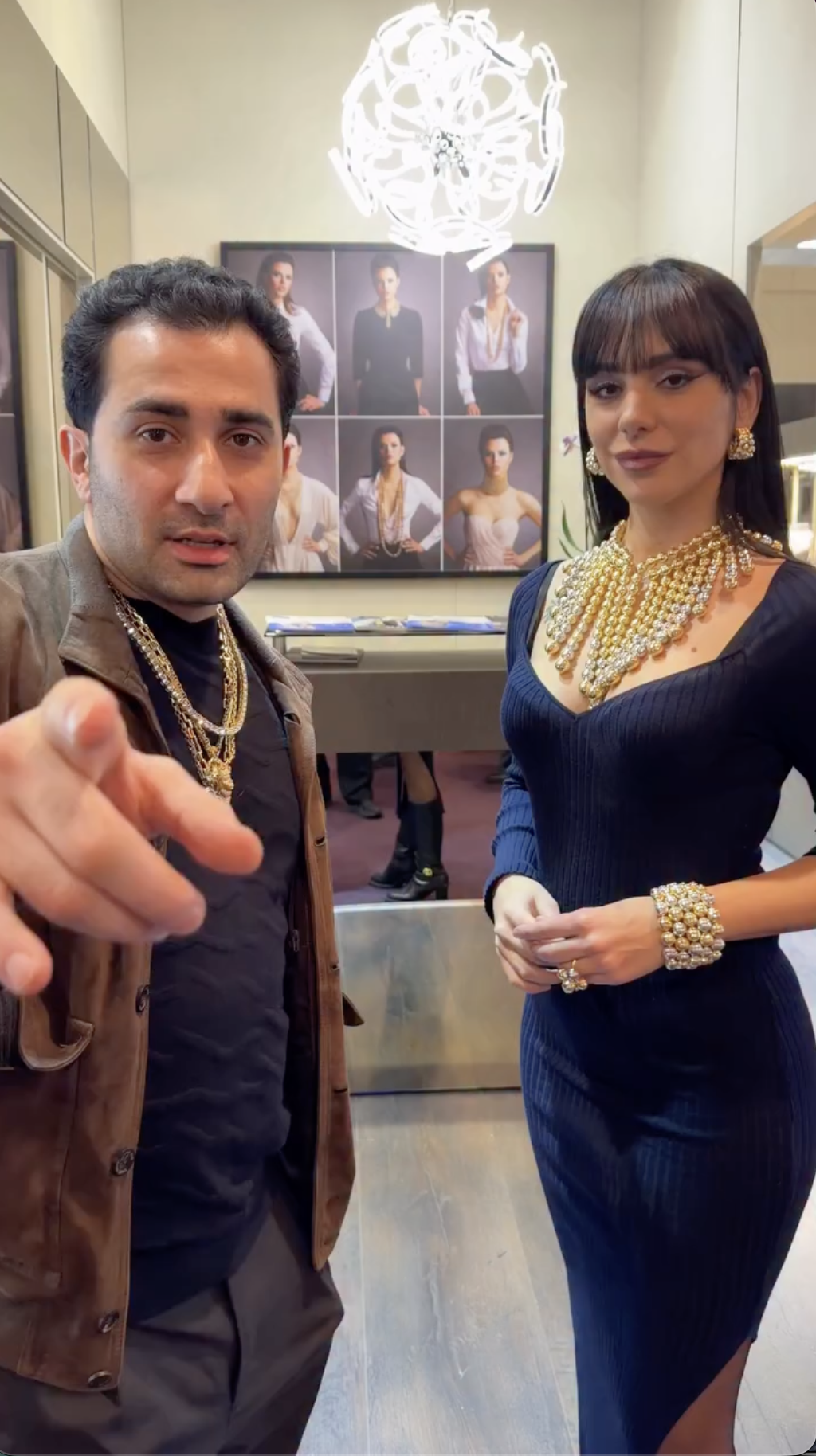
13M Views (Instagram)
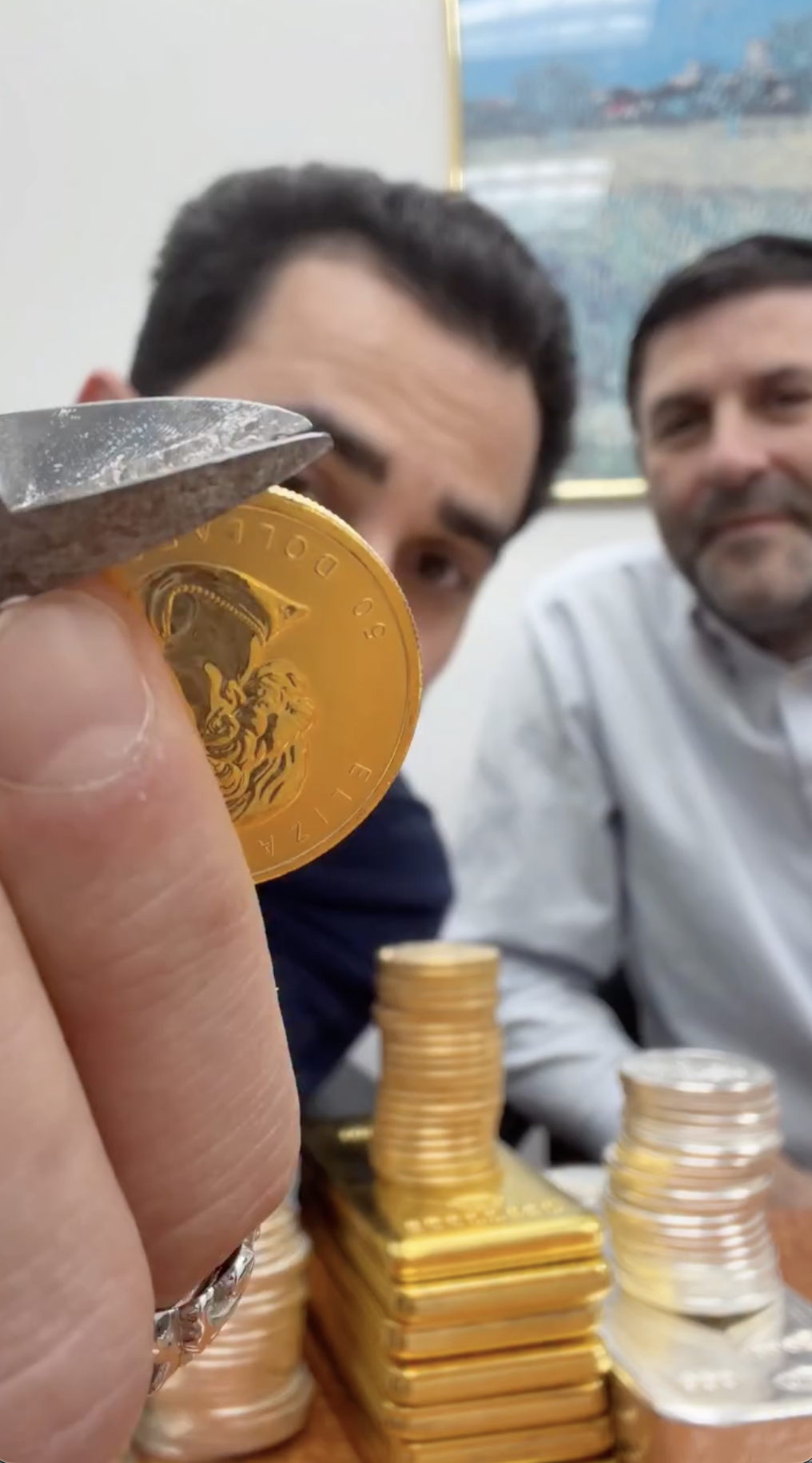
13M Views (Instagram)
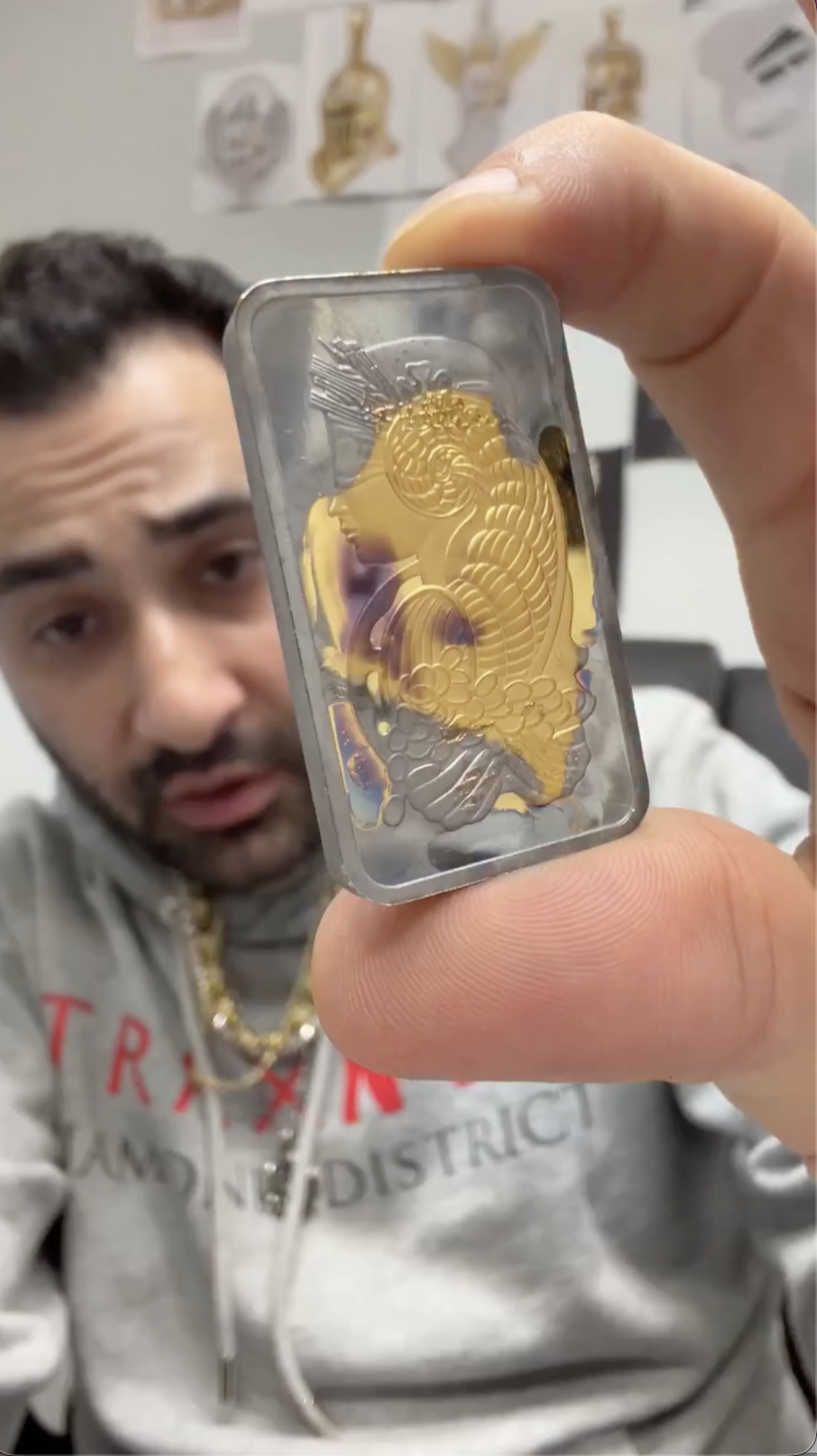
18M Views (Instagram)
Breaking Down the Scroll Stopper
Example #1: The Lamborghini Story
HOOK
The opening that grabs attention:
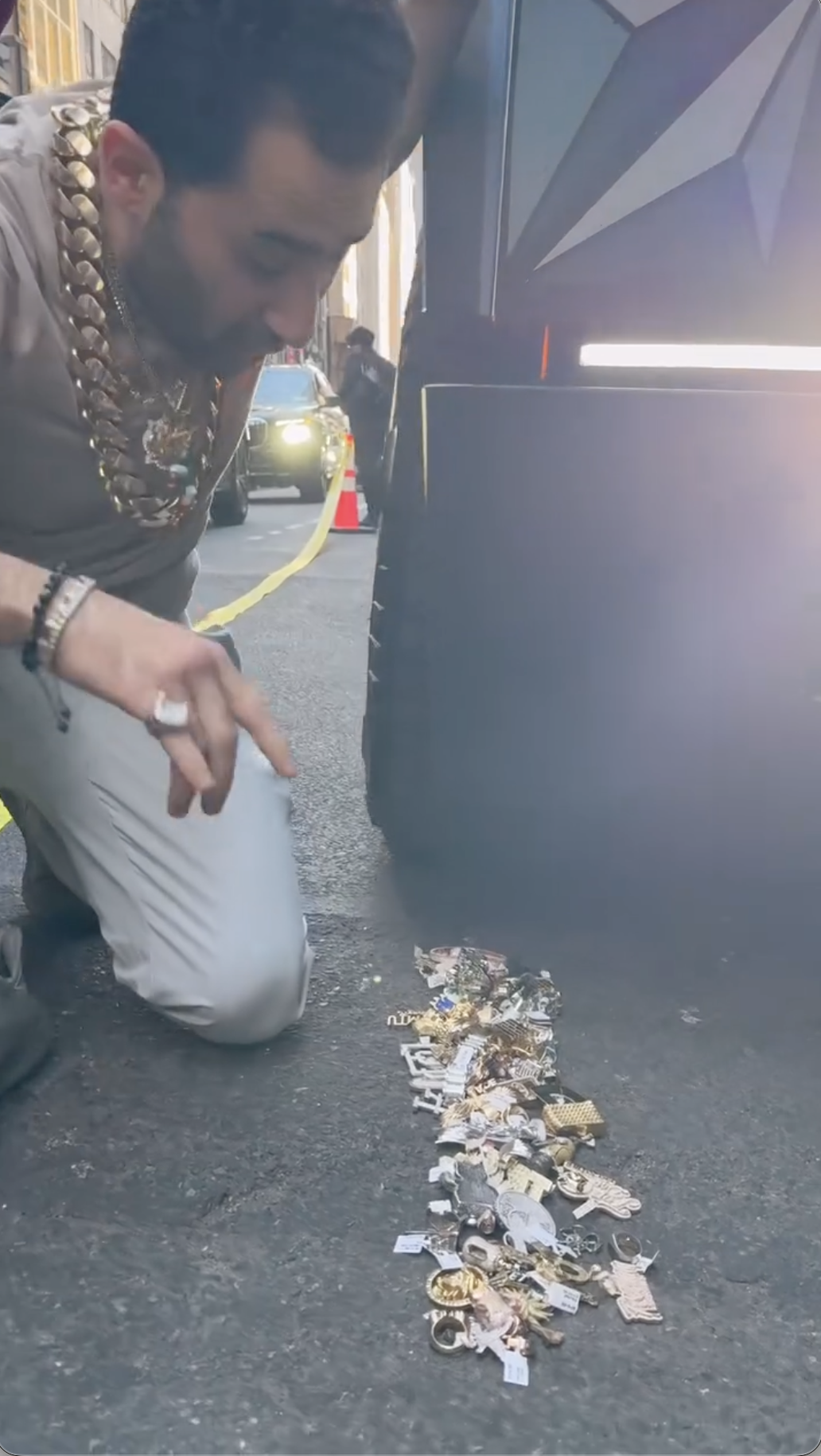
"I'm rolling over gold with my car, for an important business reason.”
THE PROBLEM
The introduction of a conflict or struggle:
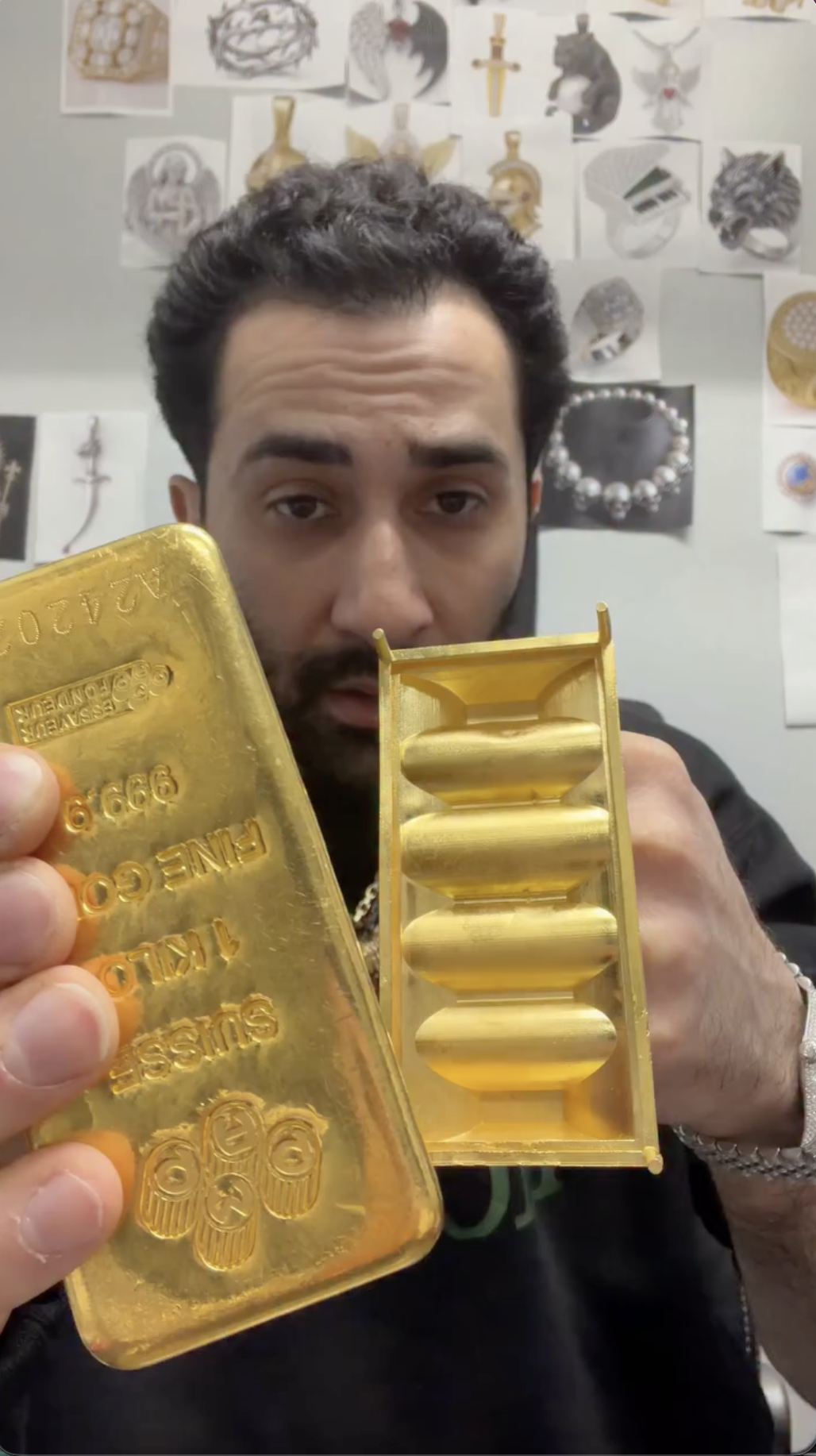
“I had to run over the gold with my Audi SQ5, so I could crush it and fit it into the crucible. There's an important business reason for that.
Then, he introduces a second layer of tension, a rival: “Once we pour it out into the brand new bar, I bring it over to Moses… I'm sick and tired of seeing his Ferrari in front of his shop.”
SHIFT
The turning point of the video:
“So guess what? I'm gonna melt the bar into a Lamborghini gold bar. I take the Lambo bar and I cash it in with Isaac and then I get this." [while showing his new Lamborghini]
RESOLUTION
The payoff or takeaway:
"Because I've been taking care of my business for 21 years, now my business is taking care of me. With some smart choices, I was able to take some gold scraps and get this Lamborghini.” [while he parks it in front of his store, just like Moses has his Ferrari in front of his]
CALL TO ACTION
A direct instruction telling the viewer exactly what to do next:
"And guess what? If you see one flying through the city with money coming out the window, it's TraxNYC.com."
Example #2: The stake cooked on gold story
HOOK
"This is the world's first steak cooked on gold."
THE PROBLEM
"Gold conducts heat faster than any other metal. Therefore it heats up faster. And you could cook the steak three times faster than you would on cast iron."
SHIFT
"That's why this steak is finished in minutes. That's why you always gotta watch your gold chain around sources of heat or wearing it in the sauna."
RESOLUTION
"Because it will catch that heat and burn you."
CALL TO ACTION
"And remember, I'm not a chef. I'm a jeweler. It's TraxNYC.com. You gotta remember this isn't a Foreman Grill. This steak cost $450,000 to cook.”
Example #3: The pink diamond story
HOOK
"I have to set this large pink diamond by hand in a 24 karat gold hand."
THE PROBLEM
"And it is a big time hassle."
SHIFT
"I mangled the hand but I eventually got it done."
RESOLUTION
"It's my own personal piece and I'm happy with the result. I will enjoy it..."
CALL TO ACTION
"...but it will be available on TraxNYC.com. But it is a one of one."
Why This Matters
Audience psychology doesn't care whether you're selling diamonds or delivering the news.
The same audience psychology that drives engagement for a Manhattan street jeweler also drives engagement for luxury brands, podcasts, media companies, and national news organizations.
People don't engage with industries. They engage with stories.
While the desired outcome may differ, the challenge remains the same. News organizations want clicks. Businesses want leads. Brands want sales.
None of those outcomes is possible without attention first. Attention is the gateway to every business objective.
So how does this apply to luxury jewelry brands that don't want to become TraxNYC?
The goal isn't to copy Trax.
The goal is to understand why people stop scrolling in the first place.
The Four Levels of Jewelry Content
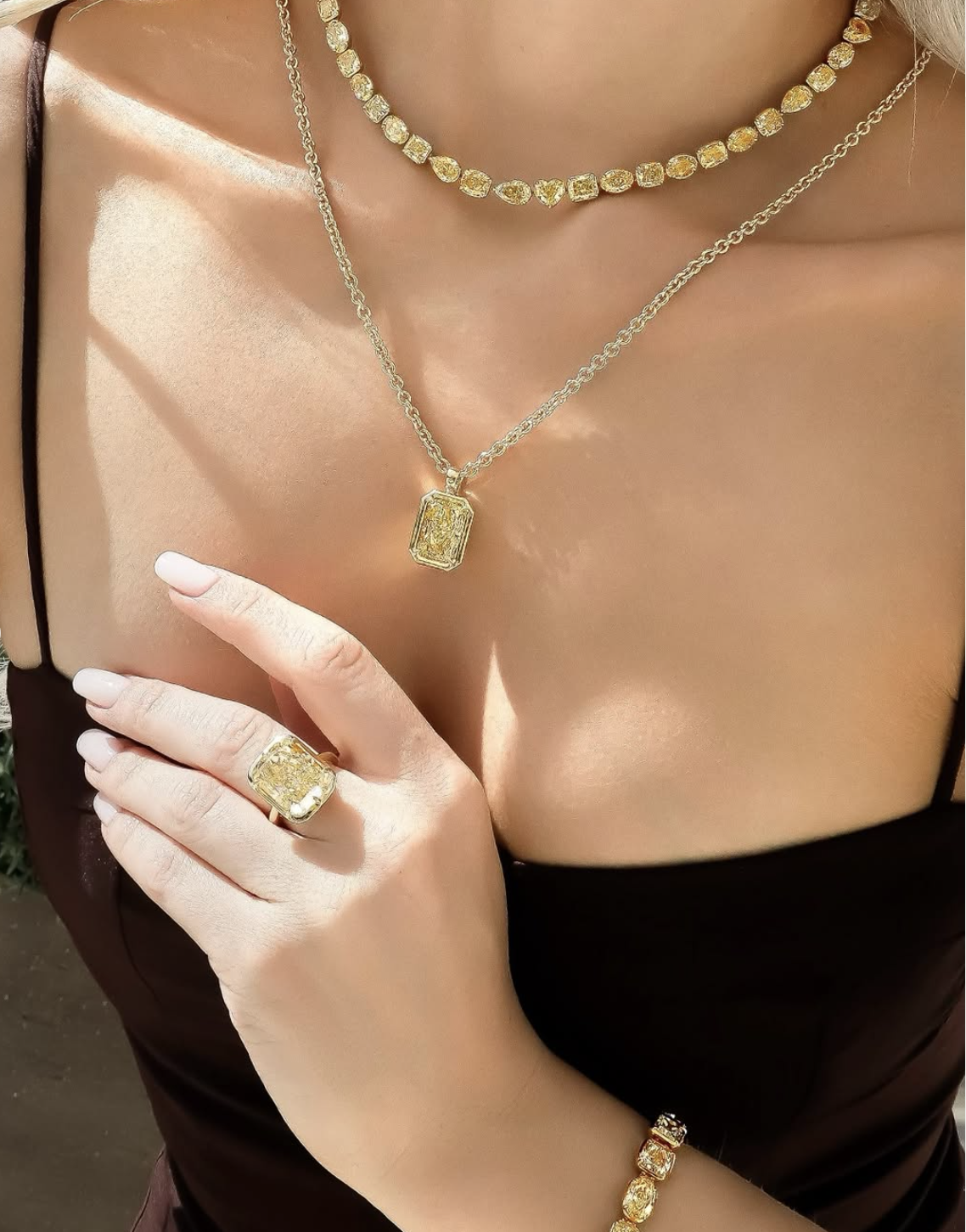
Level 1:
Static Product Photography
Weston Jewelers
Beautiful catalog-style photography showcasing the piece.
The result:
The jewelry is admired, but engagement is often limited because the content behaves more like a product catalog than social media.
Level 2:
Luxury Motion
Jean Dousset
Sparkling diamonds.
Rotating jewelry.
Macro cinematography.
Elegant lighting.
The result:
Movement makes the jewelry more immersive and typically generates higher engagement than static photography by allowing viewers to experience the piece from every angle.
Level 3:
Craftsmanship
JP the JEWELER
Sketches.
CAD renderings.
Stone setting.
Jewelry making.
The content moves beyond simply showcasing the final product and begins teaching the audience how it's created.
The result:
The engagement increases significantly because viewers are no longer just admiring the jewelry. They're learning something.
Level 4:
Storytelling + Unexpected Information
This is the most underutilized opportunity in luxury marketing. The jewelry is no longer the product. It's the gateway to a world people actually want to explore.
Gold prices.
Diamond authentication.
Manufacturing secrets.
Industry myths.
Melting jewelry.
Recovering $70,000 worth of gold from carpet shavings.
Instead of simply showcasing luxury, the content delivers something social platforms consistently reward: information engineered to stop the scroll.
The jewelry becomes the vehicle. Curiosity becomes the product.
This is the same principle that has made news one of the most consumed content categories on social media. People don't stop for beautiful visuals alone. They stop because they're about to learn something they didn't know five seconds ago.
Luxury brands compete to create the most beautiful content. But beauty alone rarely earns sustained attention. Attention belongs to the brands that make people feel they are discovering something.
The future of luxury content isn't choosing between elegance and education. It's combining both.